
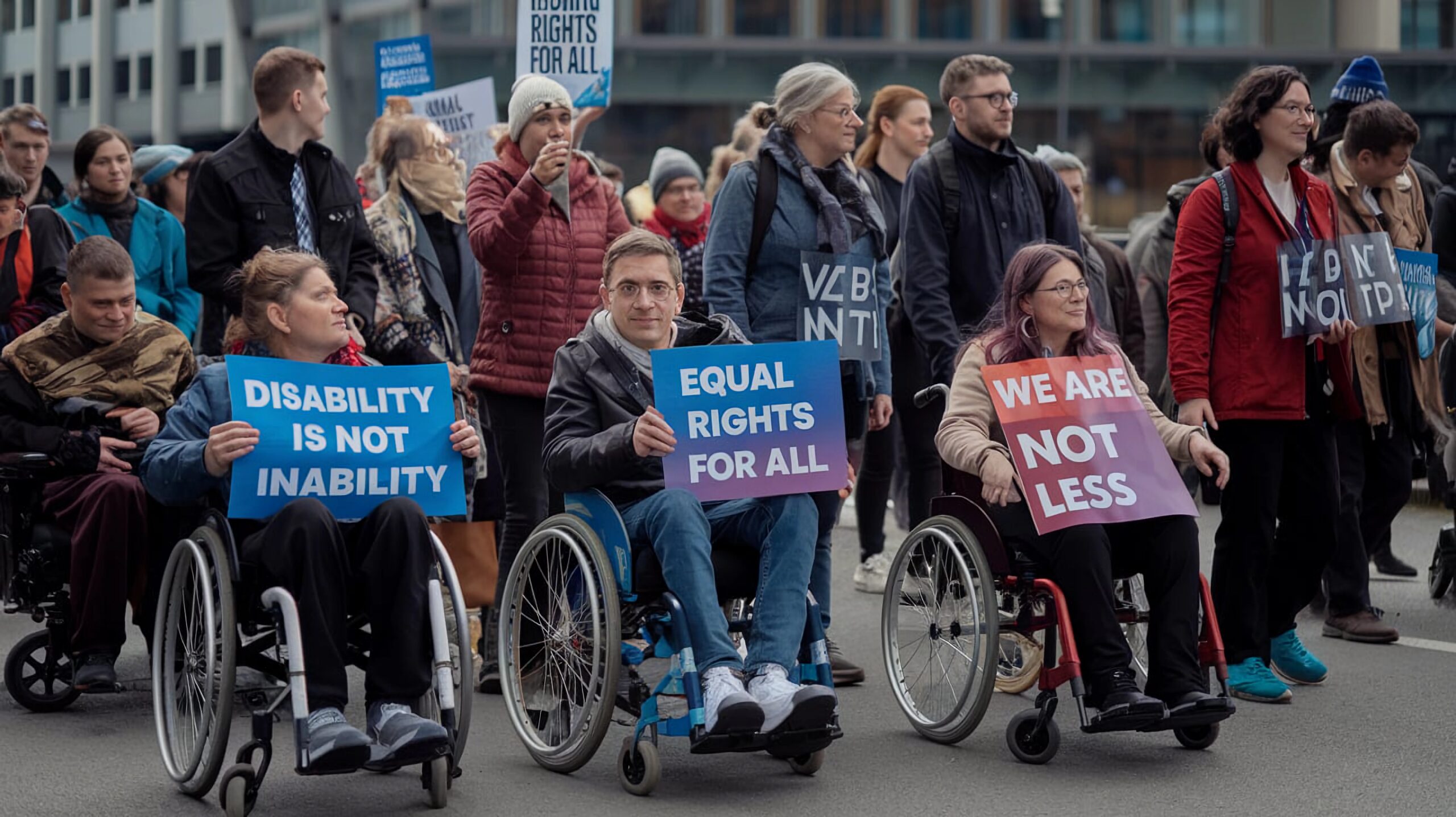
Who gets to decide how everyday life works?
Danielle Naafs
The most powerful argument for change is often a lived experience. The Erasmus+ project VOICES EU helps people with disabilities turn their stories into advocacy and leadership.
A last-minute invitation. A sudden change of plans. The simple decision to go.
But what if you have to arrange assistance before you can make that decision a reality? You may still reach your destination. But do you have the same freedom?
In her interview for VOICES EU, Willeke van Staalduinen describes train services in parts of the Netherlands where wheelchair users must request assistance in advance. The journey may be possible; the spontaneous decision to go is not.
“Accessibility is not only about physical access. It is also about freedom, independence, and equal opportunities.”
Start with a conversation and not an assumption. “Accessibility is not something you decide for people; it is something you develop together with them.”
That is a practical starting point for anyone designing a service, organising an activity, or making a decision that affects other people: ask what they need and how they want to be involved.
“Inclusion begins with listening.” You can read the full interview with Willeke van Staalduinen, “Who gets to decide how everyday life works?”, on the official VOICES EU website www.voices-eu.eu.